Proper Nutrition for Active Men
Discover the science-backed strategies that fuel performance, recovery, and long-term health
Nutrition Impact by Numbers
Performance increase from optimised macronutrient timing
Faster recovery with adequate protein intake post-workout
Energy boost from consistent pre-exercise carbohydrates
Improvement in muscle endurance with micronutrient balance
Why Protein Timing Matters for Athletes
Active men require strategic protein consumption throughout the day, not just at mealtimes. The window immediately after intense training is critical—muscle protein synthesis peaks when amino acids are available within 30 to 60 minutes post-exercise. This doesn't mean expensive supplements; whole foods like chicken, eggs, Greek yoghurt, and legumes deliver the amino acid profile your muscles crave.
Beyond the post-workout window, spreading protein across four to five meals maintains muscle protein turnover throughout the day. Research shows that consuming 25 to 40 grams of protein per meal optimises muscle adaptation far better than loading all your protein into one or two sittings.
Post-Workout Window
Consume protein within 60 minutes of training for optimal muscle recovery
Daily Spread
Distribute 25–40g protein per meal across your day for consistent muscle building
Quality Sources
Choose whole foods over supplements for complete micronutrient profiles

Core Nutritional Pillars
Carbohydrates for Energy
Complex carbs fuel high-intensity training and replenish glycogen stores. Whole grains, oats, sweet potatoes, and legumes provide sustained energy and support muscle recovery. Active men need 4–7 grams of carbohydrates per kilogram of body weight daily, depending on training intensity.
Protein for Muscle Growth
Protein is the building block of muscle tissue. Aim for 1.6–2.2 grams per kilogram of body weight daily. Lean meats, fish, dairy, eggs, and plant-based options like beans and tofu ensure adequate amino acid supply for muscle repair and adaptation after workouts.
Fats for Hormonal Health
Healthy fats support hormone production, nutrient absorption, and inflammation management. Include omega-3 rich fish, avocados, nuts, seeds, and olive oil. Aim for 0.5–1.5 grams of fat per kilogram of body weight, focusing on quality sources.
Micronutrients & Hydration
Vitamins and minerals regulate muscle function, energy production, and immune response. Iron, magnesium, zinc, and B-vitamins are essential. Pair whole-food nutrition with consistent hydration—at least 3–4 litres of water daily, more during intense training.
Fruits & Vegetables
Colourful produce provides antioxidants, phytochemicals, and fibre that support recovery and reduce inflammation. Berries, leafy greens, broccoli, and sweet potatoes should make up at least 30% of your daily caloric intake for optimal performance.
Meal Timing Strategy
Nutrient timing around training windows maximises performance gains. A balanced meal 2–3 hours before exercise, a simple carb + protein snack 30 minutes before, and a recovery meal within 60 minutes post-workout creates the ideal environment for adaptation.
Meal Prep Essentials & Recipes

Sunday Meal Prep Protocol
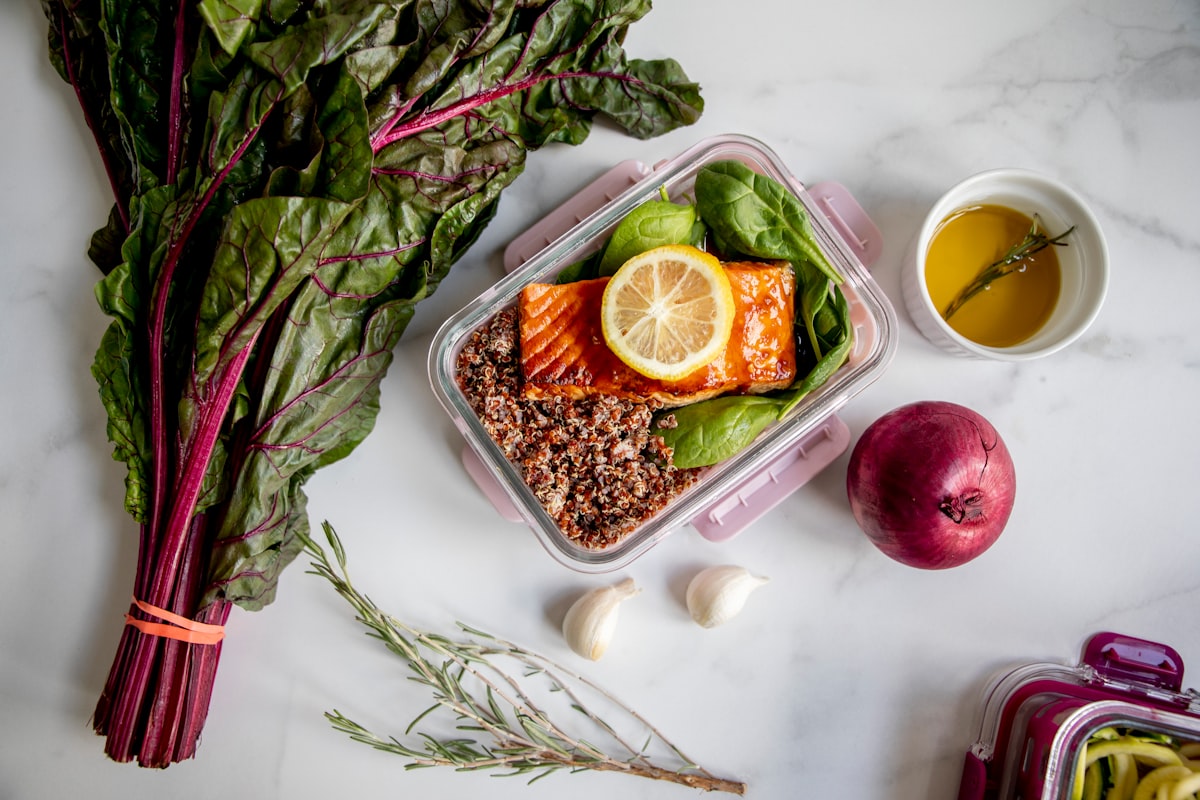
Dedicate two hours on Sunday to batch-cook your week's proteins, grains, and vegetables. Prepare grilled chicken breasts, brown rice, roasted broccoli, and steamed sweet potatoes in bulk portions. Store in glass containers for grab-and-go convenience throughout the week. This approach removes decision fatigue and ensures consistent nutrition despite a busy schedule.
Learn More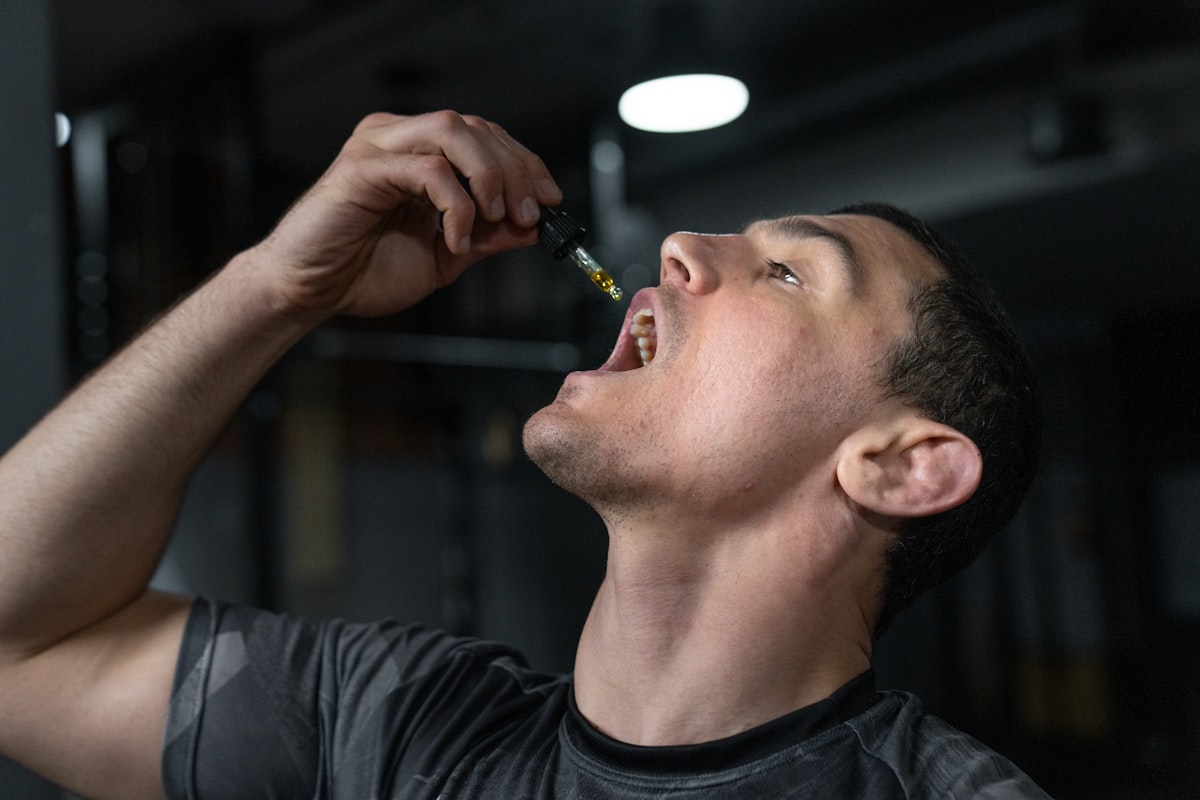
Post-Workout Recovery Recipe
Within 60 minutes of training, consume a meal combining fast-absorbing carbs and quality protein. Combine 150g of white rice or bagel with 200g of lean turkey or salmon, add a serving of berries and a banana for carbohydrate replenishment. This ratio optimises insulin response and muscle glycogen resynthesis, accelerating recovery for your next session.
View Recipes
Pre-Training Fuel Strategy
Two to three hours before intense exercise, eat a balanced meal with complex carbs, moderate protein, and minimal fat. Try oatmeal with almond butter and banana, or grilled chicken with sweet potato and broccoli. This timing delivers sustained energy without digestive discomfort, allowing you to perform at peak intensity during your workout window.
Discover Recipes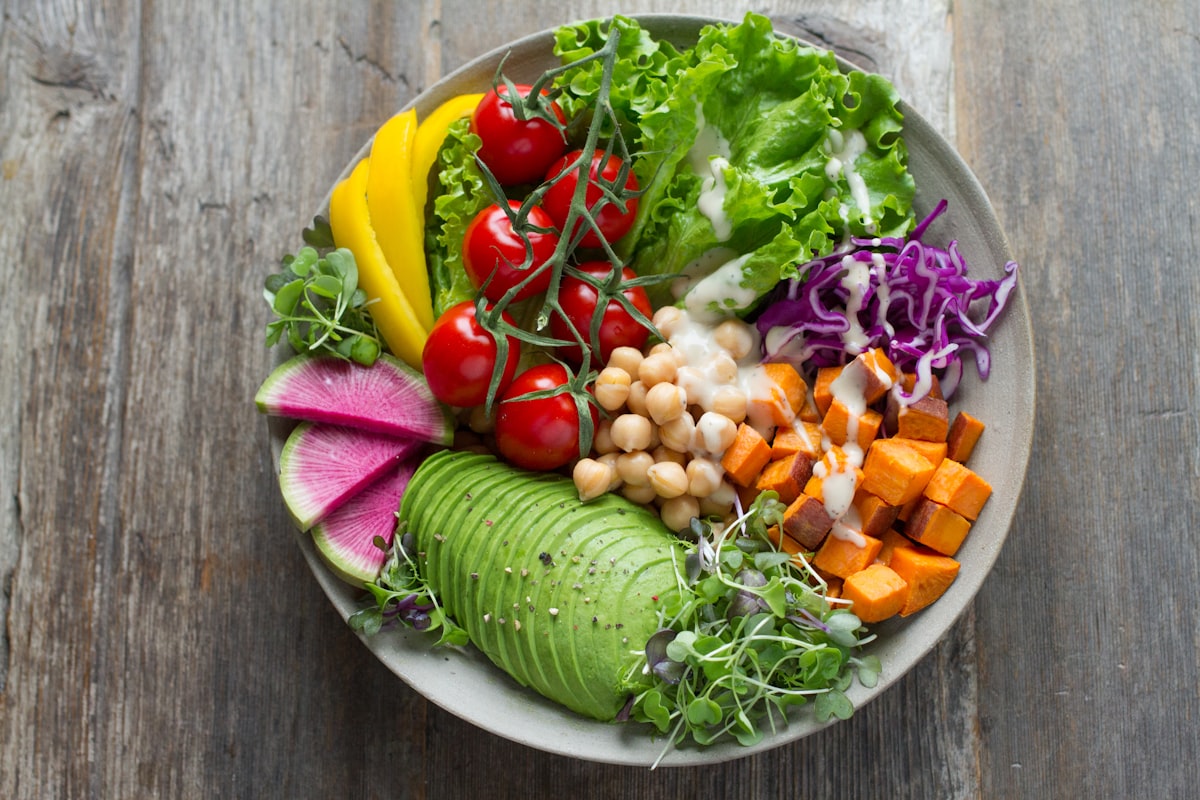
Between-Meal Snacking Guide
Bridge the gap between main meals with protein-rich snacks that maintain stable blood sugar and muscle synthesis. Greek yoghurt with berries, a handful of almonds, hard-boiled eggs, or cottage cheese with fruit are excellent choices. These 150–250 calorie snacks support muscle preservation and prevent overeating at dinner.
Explore IdeasCommon Nutrition Questions Answered
The standard recommendation is 1.6 to 2.2 grams of protein per kilogram of body weight daily for active men engaged in regular resistance training. For a 80-kilogram man, that's 128–176 grams daily. This amount supports muscle protein synthesis, repair, and adaptation while maintaining overall body composition. Spread this across four to five meals for optimal muscle turnover throughout the day.
The window is important but not as narrow as once believed. Muscle protein synthesis remains elevated for several hours after training. Consuming protein within 60 minutes of finishing is ideal, but having it within two hours still delivers strong results. The more critical factor is your total daily protein intake and consistency across all meals. Focus on getting enough protein overall rather than obsessing over exact timing.
Absolutely. Vegetarian athletes can meet protein requirements through legumes, tofu, tempeh, lentils, nuts, seeds, Greek yoghurt, and cottage cheese. Combine plant proteins strategically—for example, rice and beans together provide a complete amino acid profile. Ensure you're tracking total protein intake and consuming variety to capture all essential amino acids. Vegetarian athletes often benefit from micronutrient-dense whole foods that support performance and recovery.
Carbohydrate needs depend on training intensity and duration. Light training requires 3–5 grams per kilogram of body weight daily. Moderate endurance work demands 5–7 grams per kilogram. High-intensity or competitive training may require 6–10 grams per kilogram. Time most carbs around your training window—before for energy, after for recovery. Whole grains, oats, rice, potatoes, and fruit provide both carbs and valuable micronutrients.
Tracking calories isn't mandatory for performance athletes, but awareness helps. Your energy intake should match your training load and body composition goals. If you're training intensely but not eating enough, performance stalls and recovery suffers. Conversely, excess calories beyond needs add unnecessary body weight. Track intake for one or two weeks to understand your typical consumption, then adjust portions based on performance markers like strength, endurance, and how you feel during training.
Whole foods should be the foundation of your nutrition. A well-planned diet covering all food groups provides most nutrients you need. Some athletes benefit from targeted supplementation—multivitamins for micronutrient gaps, creatine monohydrate for strength gains, or omega-3 supplements if fish intake is low. However, supplements complement, never replace, solid nutrition habits. Focus on mastering your diet first, then consider evidence-based supplements only after you've maximised food intake.
Real Results from Active Men
"After switching to a structured nutrition plan based on these principles, my gym performance jumped within three weeks. I feel stronger, recover faster between sessions, and my body composition has transformed. The science-backed approach removes guesswork—I know exactly why I'm eating what and when."
James Mitchell
Manchester
"The meal prep guides changed everything. Sunday preparation means I'm never stuck without proper nutrition, even on my busiest work days. My strength gains are consistent, and I've noticed clearer energy levels throughout training. This isn't complicated—it's just smart execution."
David Turner
London
"I was overthinking nutrition until I read the protein timing explanation. The simple structure—balanced meals throughout the day plus strategic post-workout fuel—delivered results I couldn't achieve with random eating patterns. My endurance improved, body fat decreased, and workouts feel more productive."
Marcus Cole
Birmingham
Hydration & Recovery Strategy
Hydration is often overlooked yet absolutely critical for active men. During intense training, you lose electrolytes through sweat—replacing only water without minerals disrupts your cellular balance. Aim for at least 3 to 4 litres daily, with an additional 500–1000 millilitres per hour of training depending on intensity and climate.
Post-workout recovery extends beyond nutrition. Combine proper sleep (7–9 hours nightly), consistent hydration, and strategic meals to optimise adaptation. The hours after training are when your body builds muscle, replenishes glycogen, and repairs tissue damage. Neglecting recovery limits your gains and increases injury risk.
- Hydrate consistently throughout the day, not just during training
- Include electrolytes in drinks during workouts exceeding 60 minutes
- Sleep 7–9 hours nightly for optimal hormonal recovery
- Prioritise stress management alongside nutrition and training
Ready to Transform Your Nutrition?
Explore our comprehensive guides, meal prep strategies, and evidence-based nutrition principles. Start applying these concepts today and experience measurable improvements in performance, strength, and recovery.
What Our Readers Say
"The workout guides here completely transformed my physique. Clear, practical, and results-driven. Highly recommend!"
- Marcus J.
"Nutrition advice backed by science. Finally found a fitness resource that doesn't push BS supplements."
- David K.
"Updated regularly with new content. The progression models actually work. Worth every second."
- James R.